ANNOUNCEMENT

പ്രത്യേക പഠന പരിമിതി പിന്തുണാ കേന്ദ്രം ഒന്നാം ഘട്ട ക്ലാസുകൾ എടുക്കാൻ എത്തിച്ചേർന്ന എല്ലാ ഫാക്കൽറ്റിമാർക്കും ( രമ ,പദ്‌മജ ,വൈഷ്ണ , ആശാലത ,ഷീബ , ഡോ. അഞ്ജു,പ്രസീത ,നിത്യ ,ദിവ്യ ദാമോദരൻ, ബിജിമ , ഷിൽന , പവിത്രൻ, ദേവദാസ്,രാജേന്ദ്രൻ ) അഭിവാദ്യങ്ങൾ.

Wednesday, September 27, 2023

അനുമോദന യോഗവും ഏകാഗ്രതാ പരിശീലനവും 26/09 / 2023


-ചെറുപുഴ 26/09 / 2023 

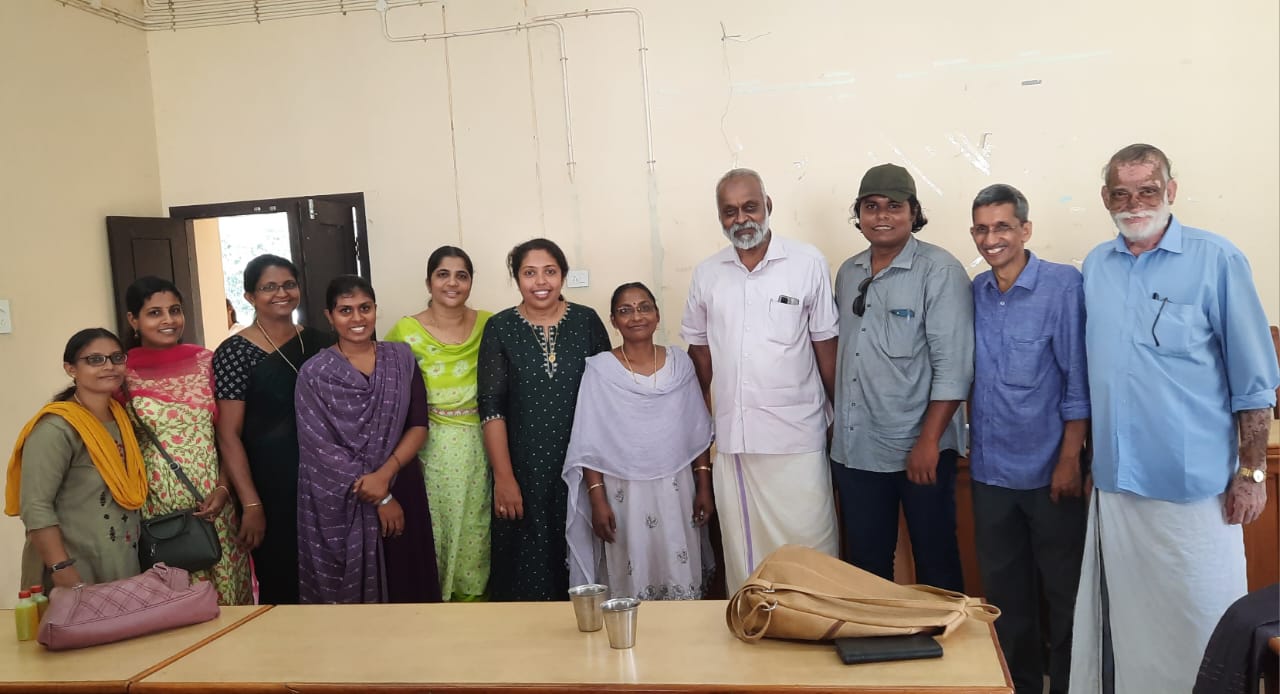
2023-24 വർഷത്തെ സംസ്ഥാന അധ്യാപക അവാർഡ് നേടിയ   കെ.ആർ .ലതാ ഭായി ടീച്ചറേയും   2023 -24 വർഷത്തെ National Excellent  Educator Award ( by Saksham Society, NGO,India ) നേടിയ  ഷിൽനാ പ്രസാദിനേയും ചെറുപുഴ ഗ്രാമപഞ്ചായത്ത് പ്രത്യേക പഠന പരിമിതി പിന്തുണാ കേന്ദ്രത്തിൻ്റെ ആഭിമുഖ്യത്തിൽ(Specific Learning Disability Support Centre)  26/ 9/2023 ഉച്ച കഴിഞ്ഞ് 2 മണിക്ക്  പഞ്ചായത്ത്    ഹാളിൽ വെച്ചു നടന്ന ചടങ്ങിൽ വെച്ച് അനുമോദിച്ചു . ലതാ ഭായി ടീച്ചർ ഒരു പൊതു വിദ്യാലയത്തിൻ്റെ ഭാഗമായി സ്കൂളിനകത്തും പുറത്തുമായി നടത്തുന്ന വൈവിധ്യമാർന്ന പാഠ്യ പാഠ്യേതര പ്രവർത്തനങ്ങളുടേയും  തിളക്കത്തിലാണ് ആദരവ് നേടുന്നതെങ്കിൽ ഷിൽനാ പ്രസാദ്  പഠന പ്രശ്‌നങ്ങളുള്ള കുട്ടികളെ പിന്തുണക്കാനായി ചെറുപുഴ ഗ്രാമപഞ്ചായത്ത് നടത്തുന്ന പ്രൊജക്റ്റിൻ്റെ ഫാക്കൽറ്റി എന്ന നിലക്കു നടത്തി വരുന്ന വൈവിധ്യമാർന്ന പ്രവർത്തനങ്ങൾക്കാണ് ദേശീയ  അംഗീകാരം നേടുന്നത്.

ചെറുപുഴ ഗ്രാമപഞ്ചായത്ത് പ്രത്യേക പഠന പരിമിതി പിന്തുണാ പ്രൊജക്ട് Specific Learning Disability സംശയിക്കപ്പെടുന്ന കുട്ടികൾക്കായി ഇത്തരത്തിൽ നമ്മുടെ രാജ്യത്തു തന്നെ ഒരു പഞ്ചായത്ത് സാമ്പത്തിക വിഹിതം നീക്കിവെച്ച് നടത്തുന്ന ആദ്യ സംരംഭമാണ് . പ്രൊജക്റ്റ് ഫാക്കൽറ്റി ആയ ഷിൽനാ പ്രസാദിന് ലഭിച്ച ഈ അവാർഡ് ചെറുപുഴപഞ്ചായത്തിന് കാലത്തിന് മുമ്പേ നടന്നു കൊണ്ടുള്ള അതിൻ്റെ  അത്യപൂർവവും അതിപ്രധാനവുമായ ഒരു ചുവടുവെപ്പിനു  ലഭിക്കുന്ന ദേശീയ ബഹുമതി തന്നെയായിട്ടു കാണേണ്ടതുണ്ട്.


ഫാക്കൽറ്റി കോഡിനേറ്റർ സി.കെ.രാധാകൃഷ്ണൻ സ്വാഗതം പറഞ്ഞു. ചെറുപുഴ ഗ്രാമപഞ്ചായത്തു   വൈസ് പ്രസിഡൻ്റ്,   റെജി പുളിക്കൽ അധ്യക്ഷത വഹിച്ചു . ചെറുപുഴ ഗ്രാമ പഞ്ചായത്ത്കെ .എഫ്. അലക്സാണ്ടർ  യോഗം ഉദ്ഘാടനവും   ഉപഹാര സമർപ്പണവും നിർവഹിച്ചു 

 ലതാ ഭായി കെ.ആർ ( കമ്പല്ലൂർ ഗവ .ഹയർ സെക്കൻ്ററി സ്കൂൾ) ; ഷിൽനാ പ്രസാദ് (ഫാക്കൽററി, പഠന പരിമിതി പിന്തുണാ കേന്ദ്രം ) എന്നിവർ  അനുമോദനങ്ങൾ ഏറ്റുവാങ്ങി .കോ എക്സിൻ ടെക്നോളജീസിന്റെ മാനേജിംഗ് ഡയരക്ടർ, അർഷാദ് എം കോയ പ്രോജക്ടിലേക്കായി പഞ്ചായത്തു ഫണ്ട് ഉപയോഗിച്ച് വാങ്ങിയ  ശ്രദ്ധ , ഏകാഗ്രത, തുടങ്ങിയവഅളക്കുന്നതിനും മെച്ചപ്പെടുത്തുന്നതിനുമുള്ള  ഉപകരണം സദസ്യരെ പരിചയപ്പെടുത്തുകയും   അവർക്കു  പരിശീലനം നൽകുകയും ചെയ്തു .


ഗ്രാമപഞ്ചായത്ത് മെമ്പർമാർ ആയ എം. ബാലകൃഷ്ണൻ ( പ്രൊജക്റ്റ് കമ്മിററി ചെയർമാൻ  , കെ കെ ജോയി          , ഷാന്റി കലാധരൻ ,പ്രവീൺ കെ. ഡി ( പ്രൊജക്റ്റ് കമ്മിററി കൺവീനർ, പ്രോജക്ട് ഫാക്കൽറ്റികളായ റിൻസി കെ എ ,ഹണിമോൾ കെ ആർ ,              തുട ങ്ങിയവർ ആശംസകൾ നേർന്നു .പ്രത്യേക പഠന പരിമിതി പിന്തുണ കേന്ദ്രം ഫാക്കൽറ്റി  പദ് മജ     കെ.വി നന്ദി പ്രകാശിപ്പിച്ചു .

അനുമോദന ചടങ്ങിലും തുടർന്നു നടന്ന പരിശീലനത്തിലും ചർച്ചയിലും  ജനപ്രതിനിധികളും രക്ഷാ കർത്താക്കളും അധ്യാപക പ്രതിനിധികളും  കണ്ണിവയൽ ടി ടി ഐ ലെ അദ്ധ്യാപക വിദ്യാർത്ഥികളും ഉൾപ്പെടെ 77 ഓളം പേർ പങ്കെടുത്തു .പ്രോജക്ടിലെ വിദ്യാർത്ഥി ആയ പ്രണവ് സ്വന്തമായി തയ്യാറാക്കിയ ലൈറ്റിംഗ് ഡിസ്പ്ലേ ആകർഷകമായി അനുഭവപ്പെട്ടു .പ്രോജക്ട് ക്‌ളാസുകൾ  കുട്ടികളിൽ ആത്മവിശ്വാസം വർദ്ധിക്കുന്നതിനും പഠനപുരോഗതി ഉണ്ടാകുന്നതിനും ഉപകരിക്കുന്നുണ്ടെന്നും ആയതിനാൽ ഈ പ്രോജക്ട് തുടരേണ്ടതാണെന്നും ചർച്ചയിൽ പങ്കെടുത്തവർ അഭിപ്രായപ്പെട്ടു .തൻ്റെ  മറുപടി പ്രസംഗത്തിൽ  ലതാഭായി ടീച്ചർ  പഠന പ്രശ്നമുള്ള കുട്ടികളെ സഹായിക്കാനായി പഞ്ചായത്തു മുന്നിട്ടിറങ്ങിയത് അഭിനന്ദനാ ർഹമായ കാര്യമാണെന്നും  പ്രത്യേക പഠന പരിമിതി പിന്തുണാ പ്രോജക്ടിനു തൻ്റെ ഭാഗത്തു നിന്നും എല്ലാ സഹകരണവും ഉണ്ടാകുമെന്നും  സൂചിപ്പിച്ചു 


സാധാരണയായി ഒരു ക്ലാസിൽ 10-15 % എണ്ണം (40 പേർ ഉണ്ടെങ്കിൽ 4-6 പേർ ) കുട്ടികൾക്ക് ഏതെങ്കിലും ഒരു പഠന പ്രശ്നമോ അനുബന്ധ പ്രയാസങ്ങളോ ഉണ്ടാകാറുണ്ട്.  ഇങ്ങനെയുള്ള കുട്ടികൾക്ക്  പരീക്ഷകളിൽ പെട്ടെന്ന് മാർക്ക് കുറഞ്ഞു പോവുന്നതും സ്വഭാവമാറ്റങ്ങൾ ഉണ്ടാകുന്നതും കാണാം.ഈ പ്രശ്നങ്ങൾ താഴ്ന്ന ക്ലാസുകളിൽ തന്നെ ശ്രദ്ധയിൽ പെട്ടാലും കാര്യമായ സഹായമൊന്നും അവർക്ക് ലഭിക്കാറില്ല. പത്താം ക്ലാസിലെത്തുമ്പോൾ പരീക്ഷ എഴുതാൻ ഒരു സ്ക്രൈബ് / അധിക സമയം ഇതാണ് പരമാവധി ലഭിക്കാറുള്ളത്. താരേ സമീൻ പർ എന്ന സിനിമയിലെ പ്രധാന കഥാപാത്രമായ വിദ്യാർത്ഥി അനുഭവിക്കേണ്ടി വരുന്ന പോലെ അവഗണനയും അപമാനവും അകൽച്ചയും പരിഹാസവും സഹിക്കേണ്ടി വരുന്ന നൂറു കണക്കിന്  സ്കൂൾ വിദ്യാർത്ഥികൾ ഓരോ പഞ്ചായത്തിലുമുണ്ട്. ഈയടുത്ത കാലത്ത് പഠന പ്രശ്നങ്ങൾ  പരിഹരിക്കാനോ നിയന്ത്രിക്കാനോ ആയി പലവിധ മാർഗങ്ങൾ മുന്നോട്ട് വെക്കുന്ന Learning Disability Management  എന്ന പഠനശാഖ വികസിച്ചുവന്നത് ഈ കുട്ടികൾക്ക് പുതിയ പ്രതീക്ഷ നൽകുന്നു. പ്രശ്നങ്ങൾ നേരത്തേ തിരിച്ചറിയപ്പെട്ടാൽ Inclusive Education ൻ്റെ കൂടെ ഒരു കുട്ടിക്ക് ഒരു അധ്യാപകൻ എന്ന രീതിയിൽ  വ്യക്തിഗത വിദ്യാഭ്യാസ പദ്ധതിയുടെ സഹായത്തോടെ ഈ കുട്ടികളിൽ ആത്മവിശ്വാസമുണ്ടാക്കാനും ദീർഘകാല പിന്തുണയോടെ പഠന നിലവാരം മെച്ചപ്പെടുത്താനും ജീവിത നൈപുണികൾ നേടാനും ഇന്ന് നമുക്ക് കഴിയും. മാത്രമല്ല,  RPWD Act 2016 പ്രകാരം മറ്റു ഭിന്നശേഷി വിഭാഗങ്ങളിൽ പെട്ട കുട്ടികൾക്കുള്ള എല്ലാ അവകാശങ്ങളും പ്രത്യേക പഠന വൈകല്യം ഉള്ളതായി സർട്ടിഫിക്കറ്റ് നേടുന്ന എല്ലാ കുട്ടികൾക്കും ഉണ്ട്. ഈ കുട്ടികൾക്ക് വേണ്ടുന്ന എല്ലാ സൗകര്യങ്ങളും ചെയ്തു കൊടുക്കുക എന്ന 2016ലെ നിയമപ്രകാരം കേന്ദ്ര സംസ്ഥാന പ്രാദേശിക ഭരണകൂടങ്ങളുടെ ബാധ്യതയും ഉത്തരവാദിത്തവുമാണ്. ആ ഉത്തരവാദിത്തം തങ്ങളുടെ സാമ്പത്തിക പരിമിതികൾക്കുള്ളിൽ നിന്നു കൊണ്ട് സാധ്യമായ വിധത്തിൽ ഏറ്റെടുത്ത് അത്തരം കുട്ടികളെ നേരത്തേ സൂചിപ്പിച്ച വിവിധ തലങ്ങളിൽ സഹായിക്കുന്നു എന്നതാണ് ചെറുപുഴ ഗ്രാമപഞ്ചായത്തിൻ്റെ ഈ സംരംഭത്തിൻ്റെ മേൻമ.

2023 ഫെബ്രുവരി 5 നു പഞ്ചായത്തിലെ വിവിധ സ്കൂളുകളിൽ നിന്നായി 111കുട്ടികൾ പങ്കെടുത്ത വിലയിരുത്തൽ ക്യാമ്പിൽ 70 കുട്ടികൾക്ക് ഏതെങ്കിലും ഒരു പഠന പ്രശനം ഉള്ളതായി കണ്ടെത്തിയിരുന്നു. അവർക്ക് തുടർപരിശീലനം നൽകാനായി 14 ഫാക്കൽറ്റി മാർ തയ്യാറാവുകയും മാർച്ച് ഏപ്രിൽ മെയ് മാസങ്ങളിൽ തുടർച്ചയായി IEP ക്ലാസുകൾ നൽകുകയും ചെയ്തു. 40 ഓളം കുട്ടികളുടെ പഠന പിന്നാക്കാവസ്ഥ ഒരു പരിധി വരെ പരിഹരിക്കപ്പെടുകയും ചെയ്തു. കൂടുതൽ പരിശീലനം വേണ്ട 31 കുട്ടികൾക്ക് ക്ലാസുകൾ നൽകാനായി Learning Disability Management ൽ പ്രത്യേക പരിശീലനം നേടിയ 5ഫാക്കൽറ്റിമാർ ഇപ്പോൾ പഠനകേന്ദ്രത്തിൽ പ്രവർത്തിക്കുന്നുണ്ട്.ഷിൽ നാ പ്രസാദ് ഉൾപ്പെടെയുള്ള ഇവരുടെ കൂട്ടായ പ്രവർത്തനമാണ് ഈ പഠനകേന്ദ്രത്തിൻ്റെ വിജയരഹസ്യം. ഈ കേ ന്ദ്രത്തിലേക്കു വേണ്ട ഫാക്കൽറ്റി മാരെ അയക്കുന്നതും പ്രവർത്തന മാർഗനിർദ്ദേശങ്ങൾ നൽകുന്നതും കേരളാ സ്റ്റേറ്റ് റിസോഴ്സ് സെൻ്ററും തളിപ്പറമ്പിലെ ക്രിയേറ്റീവ് എർത്ത് മൈൻഡ് കെയർ എന്ന കൗൺസലിംഗ് സ്ഥാപനവും  MMLD (Mission for Management of Learning Disabilities in children of Kerala) എന്ന അധ്യാപക കൂട്ടായ്മയുമാണ്.


Tuesday, September 26, 2023

WHEN TEENS REFUSE MEDICATION

 When Teens Refuse ADHD Medication

Pill organizers. Visual cues. Alarm-style reminders. Constant nagging and probing. You’ve tried it all! Your teen’s ADHD treatment plan can feel like your responsibility, even as you encourage more independence. You know medication is the most effective way to manage a teen’s ADHD symptoms, but logic seldom helps when your adolescent suddenly refuses to take their prescription.

“I have two kids with ADD,” said an ADDitude reader. “One takes medicine and sees its value. The other has stopped. I worry for both and feel like I’m not sure what the best route is.”

Many parents find themselves in this position. The decision to start or stop medication involves not just you and the doctor, but also your teen, who is seeking increased independence and control in their life. You know that sticking to a consistent medication regimen can make your child’s life easier… but they might need to come to this realization on their own.

“They’re teens, and I have to trust that this part of life is for figuring out hard things,” the reader continued. “We are working together to build skills that will support their growth, regardless of whether they take medication. I’m also working really hard to let them know that even as an adult, I continue to try to improve my habits and figure out what works for me.”

If you have a teen with ADHD who takes medication, have they ever asked to stop taking it? Refused to take it? Or lied about taking it? How did you handle it? Read on to see how these readers broached the topic of medication with their teens.


“My 15-year-old… has always opted not to take her medication on the weekends, and that’s a battle I choose not to engage in. When she stopped taking it on school days, I pointed out that there was no point in seeing a pediatrician if she didn’t follow the treatment plan. That strategy works. However, some mornings her ADHD is the barrier. I try to be available to subtly assess if my independent daughter needs help. If she hasn’t had breakfast, I offer to make it, and place the capsule beside it; if she refuses breakfast, I place the capsule in her hand.”

“We let her get away with [not taking medication] during the shortage. Incentives didn’t work because there was nothing she cared about, and she couldn’t keep her interest long enough to actually earn anything. We finally had to resort to threats of taking away the only thing she cared about: sports.”

“[My son] has said he doesn’t need it, specifically on the weekends. I don’t force it on him.”

“My child has refused to take medication for ADHD for the last two years. I don’t force her. I explain that it’s going to take a more concentrated effort to get things done. We also work with a therapist to consistently learn and implement coping techniques and focus strategies.”

“I was the teen who wanted to stop medication. I felt so overwhelmed in high school by medication; I didn’t think I was the same person on and off my meds. My parents didn’t allow me to stop because we agreed that I would not put other supports in place (like an ADHD diet) to manage my symptoms. I’m glad we were able to have an open and honest conversation about it, and that I did not stop taking medication. I learned how to feel like myself both off and on medication, and I think it is now essential to managing my symptoms and being in control of myself.”

“My 13-year-old is on a variety of medications. Some help her focus, and one helps her sleep at night. She takes them willingly because she knows they help her. She has a check-in with her psychiatrist once a month to make sure they’re working. Every time there’s a medication change, we watch her carefully to make sure there are no side effects. Her psychiatrist is very careful with medications. ‘Go low and go slow’ is her motto.”

“I have a daughter who is 14 and has refused to take her medication for about a year and a half now. She says she doesn’t like the way it makes her feel, which is anxious. Unfortunately, I have tried multiple times unsuccessfully to convince her how much she needs it. Her ADHD symptoms have gotten worse and she doesn’t care about school or her grades. It is very frustrating. I have tried to convince her to try for a week or two so that her body adjusts, and the symptoms improve. I don’t have much advice, but maybe it will help someone to know they are not alone.”

Friday, September 15, 2023

CHERUPUZHA GP HONOURED WITH NATIONAL EXCELLENT EDUCATOR AWARD ,2023-24

CONGRATS , SHILNA PRASAD,CONFERRED WITH NATIONAL EXCELLENT EDUCATOR AWARD ,2023-24

 WE ARE GLAD TO REPORT THAT SHILNA PRASAD , FACULTY , ( SPECIFIC LEARNING DISABIITY  SUPPORT CENTRE ,CHERUPUZHA GRAMANCHAYATH )IS HONOURED FOR HER PERSISTENT AND SINCERE EFFORTS THIS ACADEMIC YEAR TO HELP THE   STUDENTS WITH LEARNING DIFFICULTIES IN THE PANCHAYATH  AS LD REMEDIATOR.


THE SPECIFIC LEARNING DISABIITY  SUPPORT CENTRE CHERUPUZHA GRAMANCHAYATH THE FIRST OF ITS KIND IN INDIA WAS INITIATED by the NGO -MISSION FOR MANAGEMENT OF LEARNING DISABILITIES ,KERALA 
AND 
THE CHERUPUZHA GRAMAPANCHAYATH IN KANNUR DISTRICT , KERALA 

UNDER THE SUPERVISION AND GUIDANCE  OF SRC , KERALA.  ON 05/02/2023 .

It aims to propagate awareness on the benefits of early and proper interventions  and the special rights  of children with Learning Disabilties as outlined by RPWDACT 2016 in India  . 
Moreover it  provides  guidance, support  and individualised instruction for the needy children with learning issues and  intends to empower the faculties with the most advanced information , training  and equipments related to the arena of Management of Learning Disabilities 
with the help of State Resource Centre , Kerala and Creative Earth Mind Care , a counselling centre in Taliparamba.

It also helps the children who come under the critera  to get identified and certified with benchmark DISABILITIES  in LEARNING by  referring them to qualified professionals without delay.


SAKSHAM was started as an Smart Ambition to Kindle Scientific Acumen among Masses. The main objective of Saksham is to inculcate in the masses, scientific acumen to tackle the problems of illitracy, poor quality of education, family welfar


https://www.ngosaksham.com/


********************************************************************
ANNOUNCEMENT : പ്രിയ സുഹൃത്തുക്കളേ, ചെറുപുഴ പ്രത്യേക പഠന പരിമിതി പിന്തുണാ കേന്ദ്രത്തിൽ വെച്ച് 2023 Sep 26 ചൊവ്വ ഉച്ചക്കു ശേഷം 2 മണി മുതൽ 4 മണി വരെ Attention, Gross Motor, Concentration and Coordination ; Cognition Testing /Improvement  tools ഉപയോഗ പരിശീലന പരിപാടി  നടക്കുന്നതാണ്.

 അധ്യാപകർ, Special Education Teachers , LD Remediators തുടങ്ങിയവർക്ക് പങ്കെടുക്കാവുന്നതാണ്. പ്രവേശനം ആദ്യം രജിസ്റ്റർ ചെയ്യുന്ന 30 പേർക്ക് മാത്രം. രജിസ്റ്റർ ചെയ്യാൻ 9447739033 എന്ന നമ്പറിൽ വിളിക്കാവുന്നതാണ്-  കോഡിനേറ്റർ.


**************************************************

WE THANK OUR TEAM  -MISSION FOR MANAGEMENT OF LEARNING DISABILITIES ,KERALA 

YOU TOOK THE FIRST STEP AND MADE OUR JOURNEY  POSSIBLE .
V
V
V


AND THOSE WHO GUIDED US as revealed in this report.........


AND THANKS TO MANY OTHER FACULTIES WHO ARE  TO JOIN US SOON........................


*TEAM MMLD*

Friday, August 4, 2023

The 5 Second Rule discovered by Mel Robbins-ADHD

 The 5 Second Rule was discovered by Mel Robbins when her life was spiraling downwards.

Through a series of unfortunate events Mel wasn’t working. Her husband owned a pizza restaurant and while it had won awards and looked successful on the outside, he was working exceptional long hours just to keep it afloat. They were struggling for money and had to accept a loan from her dad to pay their mortgage.

Mel had developed a habit of drinking in the evenings and her confidence and self-esteem was at an all-time low.

Because Mel’s life felt bad, she didn’t want to get up in the mornings to face the day. When the alarm clock went off she felt dread and kept pressing snooze. As a result her family’s mornings became frantic. Her three children didn’t have the essential items in their school bags like homework, lunch or books, and they would miss their school bus.

Mel felt she was failing her kids, and felt even worse about herself.

Every night Mel would say, ‘Tomorrow I will get up on the first ring of the alarm’. She knew if she could just do that, her whole day would be significantly better.
Yet, no matter how good her intentions were at nighttime, come the morning, she would press snooze again.

Then, one evening as Mel was on her way to bed, the TV caught her attention, and she saw a rocket being launched into space. She heard the count down. 5-4-3-2-1 launch!

“That is it!” she thought, “When the alarm rings tomorrow, I will say 5-4-3-2-1 and launch myself out of bed.”

It worked!

And the next day and the next after that.

Mel couldn’t quite believe that something so simple was helping; however, grateful that it was, she started to say 5-4-3-2-1 before everything she wanted to do: finding work, not arguing with her husband and drinking less.

Her husband noticed the positive changes and asked her what she was doing differently. He tried the 5 Second Rule and it worked for him too. Then their friends started to use it, and they also found it powerful.

When Mel did a TEDx talk, she mentioned the 5 second solution towards the end of her talk and it went viral. People tweeted and emailed her their victories as a result of using the 5 second rule.
It was then that Mel decided to do some research into why it was effective.

When someone has an idea to do something, big or small (start a business, get off the sofa) there is always a moment of hesitation. In that moment your brain tries to talk you out of it, it comes up with problems or reasons not to take action:

‘Most businesses fail, that is a lot of work,’ or ‘It’s very comfortable here’ .

Then you feel defeated and stay in your comfort zone.

However, when you have an idea or intention and then start counting backwards from 5 to 1, your brain can not talk you out of it because you are counting. Even your clever brain can’t do two things at once.

Then, because you start to physically move, the prefrontal cortex is activated and rather than slipping into default mode (which would keep you doing your old behaviors), it supports you as you are creating new ones.

By happy accident, Mel discovered a powerful metacognition technique that breaks the ‘habit loop’.

Why is The 5 Second Rule Good When You Have ADHD?

Many ADHD behaviors get in the way of you taking action, for example:

  • Over thinking
  • Procrastination
  • Indecision
  • Self-doubt
  • Worry
  • Overwhelm
  • Fear of not being good enough
  • Not feeling motivated
  • Perfectionism

People living with ADHD often feel frustrated and annoyed with themselves. They know they have great ideas and the skills to implement them, yet taking action feels just out of reach. This is where the 5 Second Rule comes in. It bridges the gap and gets you out of your head so that you can start taking helpful actions.

Remember, change happens in mirco moments.

No matter how big your goals are or how overwhelmed you feel by your problems, you can make significant changes in your life by taking small steps today.

A positive side effect is that when you start to act on things you have been wanting to do (possibly for years) you develop inner confidence and belief in yourself and your abilities.

Impulsivity

If you have impulsivity, you might be thinking, ‘My problem isn’t taking action, I want to STOP acting on things that I regret later’.

The 5 second rule works for this too.

If you act on impulse and realize you are doing something that isn’t in your best interest, count backwards 5-4-3-2-1 and walk away.

If you ordered another drink at the bar, put it down and walk away. If you are arguing with your spouse, 5-4-3-2-1 and apologize or change how you are speaking.

Whatever it is, the 5 Second Rule will help.

Also, when you start implementing the 5 second rule, you become more aware of your thinking and how you are making tiny decisions all day. If you are impulsive, you might notice there is tiny window of time between a thought and action, even if in the past you thought there was none.

The 5 Second Rule helps productivity, lifestyle, career, relationships, personal goals, finances, anxiety and much more. There is no limit to how many times you can use it or how you use it.

A Couple of Key Points to Remember

1) Always count backwards.
If you count forward, you could keep counting all day and never take action.

2) Take action when you get to zero.
To get the full benefit of the 5 Second Rule, it is important to physically move.

Actions

1.Try the 5 second rule yourself today!
You can use it for something that has been bothering you for a while, or the very next thing that you catch yourself delaying.

The 5 Second Rule by Mel Robbins

Monday, July 17, 2023

SLDSC : പുതിയ ക്‌ളാസ്സ്‌മുറിയിലേക്ക്

13/7/2023 : News:പുതിയ ക്‌ളാസ്സ്‌മുറിയിലേക്ക്  

 Specific Learning Disability Support Cente 

@ Cherupuzha Grama Panchayath ... 

134  TH DAY ......CLASSES CONTINUE.................

( SLDSC :First of its kind in India) 

പഴയ പഞ്ചായത്തു കെട്ടിടത്തിലെ ( ബസ് സ്റ്റാൻഡ് ) ഒന്നാം നിലയിലെ ബാങ്കിന് എതിരെയുള്ള മുറി വൃത്തിയാക്കി പ്രൊജക്ട് ക്ലാസുകൾ നടത്തുന്നതിനായി അനുവദിച്ചു തന്നതിൽ പഞ്ചായത്തിനോട്    നന്ദി  രേഖപ്പെടുത്തുന്നു.

2023 FEB  2  നു നടത്തിയ  ഏക ദിന വിലയിരുത്തൽ ക്യാംപിനു ശേഷം തെരഞ്ഞെടുക്കപ്പെട്ട 70 കുട്ടികൾക്കു  വ്യക്തിഗത വിദ്യാഭ്യാസ പദ്ധതി (IEP) യിലൂടെ പ്രത്യേക പഠനോപകരണങ്ങൾ  ഉപയോഗിച്ച്    ക്‌ളാസ്സുകൾ നൽകിവരുന്നു. 

-ഫാക്കൽറ്റി കോഡിനേറ്റർ 


എഴുത്ത്, വായന, ഗണിത മേഖലകളിൽ പ്രശ്നമുള്ള വിദ്യാർത്ഥികൾക്കും 

Learning Disability Management / IEP തയ്യാറാക്കൽ ...പരിശീലനം ആവശ്യമുള്ള ഫാക്കൽറ്റികൾക്കും

 ഞങ്ങളുടെ പിന്തുണാ ക്ലാസുകൾക്കായി 9447739033 എന്ന നമ്പറിൽ വിളിക്കാം. 


                                                          LAST DATE 31/7/2023

We believe in Early Intervention


 -  Mission for Management of Learning Disability (MMLD)

FACULTIES AVAILABLE  : PADMAJA K.V (DMLD)
SHILNA PRASAD (DMLD )
RDHAKRISHNAN C K ( DMLD )


Friday, July 7, 2023

How Krishna broke free of autism

 How Krishna broke free of autism 

CREDITS TO https://enabled.in/wp/how-krishna-broke-free-of-autism/


കൃഷ്ണ നാരായണന് നാല് വയസ്സുള്ളപ്പോൾ, അവൻ്റെ അമ്മ അവനെ ഒരു ആപ്പിൾ കാണിച്ചു, "ആപ്പിൾ ... ആപ്പിൾ..." ആവർത്തിച്ചു, "ആപ്പിൾ" എന്ന വാക്ക് മാത്രമല്ല, സങ്കീർണ്ണമായ മറ്റനേകം വാക്കുകൾ അദ്ദേഹത്തിന് അറിയാമായിരുന്നു. അവരെയെല്ലാം തനിക്കറിയാമെന്ന് അമ്മയോട് നിലവിളിക്കാൻ അയാൾ ആഗ്രഹിച്ചു, പക്ഷേ അവൻ്റെ വായിൽ നിന്ന് വാക്കുകളൊന്നും വന്നില്ല; ഒരു വൃത്തികെട്ട ശബ്ദം മാത്രം.

നാല് വയസ്സുള്ളപ്പോൾ ലിഫ്റ്റിനുള്ളിൽ കൃഷ്ണയ്ക്ക് വല്ലാത്ത ടെൻഷൻ തോന്നി. പിരിമുറുക്കം മാറ്റാൻ വലതു കൈ നീട്ടി വിരലുകൾ നോക്കി. കാഴ്ചക്കാർക്ക് ഇതൊരു വിചിത്രമായ പെരുമാറ്റമായിരുന്നു, പലരും അയാൾക്ക് ഭ്രാന്താണെന്ന് കരുതി. ലിഫ്റ്റ്മാൻ അവനെ മോശമായ തമാശകളാൽ പരിഹസിച്ചു. അത് കൃഷ്ണനെ വേദനിപ്പിച്ചു, തനിക്ക് പരിഹാസവും വേദനയും തോന്നിയെന്ന് അമ്മയോട് പറയാൻ അയാൾ വല്ലാതെ ആഗ്രഹിച്ചു, പക്ഷേ അവൻ നിശബ്ദമായ ഒരു ലോകത്തിലാണ് ജീവിച്ചത്.

ഒരിക്കൽ സ്‌കൂൾ മൈതാനത്ത് ഒരു കുട്ടി വന്ന് ചോദിച്ചു, ‘എങ്ങനെയുണ്ട്?’ കൃഷ്ണ മനസ്സിൽ മറുപടി പറഞ്ഞു, ‘നന്നായി, സുഖമാണോ?’ എന്നാൽ വാസ്തവത്തിൽ, അവൻ്റെ വായിൽ നിന്ന് ഒന്നും പുറത്തുവന്നില്ല.


നീണ്ട 23 വർഷത്തെ മാനസിക പീഡനങ്ങളിലൂടെയും വേദനകളിലൂടെയും വേദനകളിലൂടെയും കടന്നുപോകേണ്ടിവന്നു, പക്ഷേ കോട്ടക്കൽ ആര്യ വൈദ്യശാലയിലും ഷൊർണൂരിലെ കെ എ സമാജം ആശുപത്രിയിലും അവനെ പഠിപ്പിക്കുന്നതിലും ആയുർവേദ ചികിത്സയിലും അമ്മയുടെ നിർവികാരമായ മനസ്സ് കൃഷ്ണൻ്റെ ഉള്ളിൽ സംഭവിച്ചത് എഴുതാൻ സഹായിച്ചു. .

അവൻ എഴുതി: ‘ലോകത്തിന് ഞാൻ ആരായിരുന്നു? എന്നാൽ ശരിക്കും, ഞാൻ ആരായിരുന്നു? തിയേറ്റർ പ്രേക്ഷകരെയും നടനെയും പോലെയാണ് ലോകവും ഓട്ടിസ്റ്റും. ലോകം ഓട്ടിസ്റ്റിനെ വിചിത്രവും ഭ്രാന്തനുമായിട്ടാണ് കാണുന്നത്... പിരിമുറുക്കം, ഭയം, അരക്ഷിതാവസ്ഥ എന്നിവയാൽ പ്രകോപിതരായ ഓട്ടിസ്റ്റിക് അനുചിതമായി പെരുമാറുന്നു. ഓട്ടിസ്റ്റിൻ്റെ വിചിത്രമായ പെരുമാറ്റം ലോകത്തെ മതിൽ കയറുന്നു. ഓട്ടിസ്റ്റിക് രോഗിയുടെ അവസ്ഥ സങ്കടകരമാണ്.


When Krishna Narayanan was four years old, his mother showed him an apple and repeated, “Apple… apple…” He knew not only the word ‘apple’, but many, many other complicated words. He wanted to cry out to his mother that he knew all of them, but no words came out of his mouth; just a garbled sound.

Inside an elevator as a four year old, Krishna felt extremely tense. To relieve the tension, he stretched out his right hand and watched his fingers. This was a weird mannerism to the onlookers, and many thought he was insane. The liftman ridiculed him with nasty jokes. It hurt Krishna, and he badly wanted to tell his mom that he felt ridiculed and hurt, but he lived in a silent world.

Once on the school playground a kid came and asked, ‘How are you?’ Krishna answered in his mind, ‘Fine, how are you?’ But in reality, nothing came out of his mouth.

He had to pass through 23 long years of mental torture, hurt, and agony, but his mother’s relentless spirit in educating him and Ayurvedic treatment at the Kottakkal Arya Vaidya Sala and at the K A Samajam Hospital at Shoranur helped Krishna write what went on within him.

He wrote: ‘Who was I to the world? But really, who was I? The world and the autistic are like the theatre audience and the actor. The world sees the autistic as weird and insane… Kindled by tension, fear and insecurity, the autistic behaves inappropriately. The weird behaviour of the autistic drives the world up the wall. The state of the autistic is a sad one.’

BOSTON, December 1971. When Krishna was born, Jalaja Narayanan was in bliss. At that moment itself she had so many dreams for him. “I wanted him to be a great scientist. I wanted him to be a neurosurgeon. At times, I thought both.”

But soon the young mother found her dreams crumbling. Even as a one year old, her son didn’t walk, didn’t utter a word, didn’t show any interest in toys, and didn’t like to be held or cuddled. By two, he was displaying bizarre behaviour like looking at his hands, flapping them, rocking, hitting his head against the wall, tapping his chin, screaming, throwing tantrums and showing extreme fear in front of strangers. Krishna wanted to be far away from people all the time, in the isolation of his room; he even refused to come to the living room.

“He was that withdrawn and lonely,” remembers Jalaja. “I had another child Malini [now chief of neurosurgery at Harvard Medical Hospital in Boston] two years elder to him. So I knew there was something wrong with this child. But those were the Seventies, and there was nothing available on autism. The doctors didn’t know how to diagnose autism, even in the US.”

So, when she took the year-and-a-half-old Krishna to the doctor, he was diagnosed to be deaf. The doctor also told her that Krishna would never be able to hear any sound. “That was the first diagnosis,” says Jalaja, “but I didn’t believe her because I had noticed him turning when the telephone rang, but not when we called him.”

At four, at the Children’s Hospital in Boston, Krishna was diagnosed as severely autistic. The doctor also told her that he would never understand the human voice.

Thus began the young mother’s long drawn war on autism.

“I was all alone with the diagnosis, and I didn’t know what it was,” she recounts. “When the doctors said my child would never understand human speech, I told them, no, I will make him understand. They asked, how? I said, I have 24 hours a day. They said, you cannot overbake a cake. I said, don’t say that about my child, my child is a living being. He’s not a cake.”

Krishna writes, ‘Riding on my horse — my young and innocent mom — I fought a relentless, tireless, epochal war. The kid in me was handcuffed and life was hideous. I was a total prisoner of autism.’

Krishna heard every word that was uttered; he also understood what was happening around him. ‘To my parents, I was not dumb. In reality, I was never dumb. I knew the alphabet, I knew many words, and I knew how to fashion sentences. The tragedy of autism is being unable to communicate in words. An autistic’s mind is normal, even brilliant, but complete absence of verbal expression makes his behaviour totally misunderstood. To the world, I was weird and insane, given to funny movements with no speech. To me, I was normal in intelligence, feelings and emotions, but afflicted with a debilitating disease that robbed me of speech and coordination, and endowed me with enormous tension and fear,’ Krishna wrote at age 24.

He describes his life as a human drama, a Greek tragedy that is seemingly sad and hopeless. He also likes to call his story a ‘positive story of struggle, survival and success against all odds’.

ON JUNE 24, P S Ramamohan Rao, governor of Tamil Nadu, inaugurated The Autism Centre started by Jalaja Narayanan in Chennai. The idea of starting such a centre came up when parents bombarded Jalaja for advice on how to bring up an autistic child. “I have been spending all my free time counselling parents, one at a time, which was taking a toll on me. So, I decided to start a centre from where I can counsel many parents because parents need motivation. This is not a one-day fight; it is a life-long war.”

She also has plans to start an Indian society for autism so that all parents of autistic children, all professionals working on autism, and all schools with autistic children are integrated.

On the same day, the governor released a book jointly written by the mother and son, titled, Quest, Search for Quality Life. It comes after two books written separately by Jalaja and Krishna. Jalaja Narayanan wrote From A Mother’s Heart; A journal of survival, challenge and hope in which she described her traumatic life bringing up an autistic child and also the various techniques used to overcome autism. The techniques are scattered through the book.

Krishna’s first book, Wasted Talent; Musings of an Autistic, was an account of how he got over all the hurdles to finally open his mind to his parents. Soon, he was writing his autobiography and learning complicated mathematics and physics.

When many parents of autistic children constantly asked for advice on the various techniques and therapies used by them, the mother and son decided to write a book jointly.

It starts with the chapter, ‘Dream a Quality Life’ for an autistic child. Krishna says the parents should ask every day, ‘How can I improve my child today?’

What helped Krishna come out of the tension-filled days in the early years of his life was music. His mother, a Carnatic singer herself, sensed her child’s ear for music. With music in the background, Krishna who rocked and whined all night started sleeping soundly. Music also calmed him a lot more.

The second chapter talks about the ‘Power of Intuition’. Jalaja was so convinced that the child had the ability to understand and learn that she kept teaching him and reading out Charles Dickens, Tolstoy, Dostoevsky, Jane Austen, etc though there was absolutely no response from him. She continued to read out to him and make him listen to audio tapes of great world literature because she saw a ‘sparkle’ in his eyes.

Krishna wrote in his book, ‘She felt sparkling eyes cannot come from a dull mind. This was a bold hypothesis when there was precious little output from me. In a similar vein, parents must probe and think where the strength of the child lies. Where does it show interest or aptitude? What activity calms him or what activity he does not mind doing? Earlier this talent is detected, larger will be the benefits.’

Education is a necessity, Jalaja felt strongly, though to educate an autistic is extremely tough. Krishna admits, ‘No challenge is greater than the challenge to educate the autistic because they are restless and their rigidity and rituals interfere with learning. They can neither write nor talk.’

But what gave Krishna’s life a breakthrough was ayurveda. ‘We stumbled upon Ayurvedam and it totally turned my life around. Without it, I will not be where I am today. I cannot emphasize enough the wonderful role Ayurvedic treatment had in my life.’

Once the treatment calmed his body and mind, his body became less rigid, fingers became supple, and he slowly started writing. By then, years had passed, and he was 23.

His father, Dr S Narayanan, took a break from his job as director of Lucent Technologies, Bell Laboratories, USA, and started teaching Krishna simultaneous equations in algebra. Krishna picked it up quickly. His father then taught him calculus, which also Krishna grasped rapidly. Dr Narayanan then moved to differential equations and Newtonian physics. Krishna loved quantum physics and relativity.

‘What did I get from education?’ he wrote. ‘Primarily, it provided me with self-confidence. Even though an autistic, I am as intelligent as the normal person, if not better, and can understand subtle and tough concepts in mathematics and physics.’

As he acquired the ability to write, his parents asked him to tell them about himself so that they could know him. Words slowly came out onto paper, and there he was at the age of 23 telling his parents who he was, what he felt at age four, how he felt humiliated and ridiculed because the world looked at him as weird and insane when he had an intelligent mind. His mother was so impressed with his writing that she wanted him to write a book on himself.

‘This is more easily said than done; thus started an odyssey of six long years. Everyday, slowly, ever so slowly, I wrote a couple of paragraphs and the book began to take shape.’

When Krishna titled the book Wasted Talent, his mother objected. ‘The title reflects ultimately my belief that the talent of an autistic is wasted away if it is not nurtured.’ An adamant Krishna refused to change the title.

The book was published in July 2003, to rave reviews. Now, Krishna is in the process of writing a novel.

He ends the book with, ‘What is my future? I really don’t know, but I can dream.’ He dreams of learning more mathematics and teaching young students. ‘That may happen because of the advances in the Internet. I could teach without speech.’

He also dreams of the US Congress allocating enough funds to research both Eastern and Western treatments for autism. His third dream is that the world will not abandon him to an institution when his parents move on.

His final dream is, ‘An angel would descend from heaven to marry me and give me happiness and a family.’